Free 10-year premium subscription for Netflix !!!!

You can register for the offer for free via the link existing registry here , and winners will be selected automatically.

Apple’s WWDC event to take place on June 13

Apple has sent press invitations for its annual World Wide Developers Conference (WWDC).

You are a Geek ?

So joint us on Youtube to more cool videos .

Showing posts with label Daily Blog. Show all posts

Friday, 28 October 2016

60% of Apple's mobile devices are now running iOS 10

Apple has released its latest iOS adoption numbers, revealing that the version 10 of its mobile operating system now powers 60% of compatible devices. That's a rise of 6% compared to the last time these figures were released.
As for other versions, iOS 9's share currently stands at 32%, down from its share of 38% that was revealed a couple of weeks ago, while earlier iOS versions claim an 8% share, which remains unchanged. So it's clear that whatever share iOS 10 has gained is at the expense of iOS 9.
Source
Share:

هذه قصة "البث الحي" من الفضاء على الفيسبوك الذي خدع الجميع!

قبل يومين وبالضبط بعد منتصف نهار يوم الأربعاء الماضي أثار حدث غير معهود على موقع التواصل الاجتماعي الكثير من التفاعل، ويتعلق الأمر بالبث الحي من "محطة الفضاء الدولية" والذي قامت ببثه إحدى الصفحات الشهيرة وتم مشاركته من طرف الآف الصفحات والمستخدمين.


الكثير من المستخدمين رصدوا بعد منتصف نهار يوم الأربعاء الماضي 26 أكتوبر بثا حيا تابعة عشرات الآف من المستخدمين وكان مباشرة على صفحتي "Unilad" و"Viral USA" وتم إعادة مشاركته مرات عديدة من طرف صفحات مشهورة وحسابات المستخدمين، ويتعلق البث الحي بعملية إصلاح انطلاقا من محطة الفضاء الدولية حيث نرى فيها رواد الفضاء خارج المحطة ويقومون بإصلاح أحد مرافقها.


إلا أن الأمر لم يكن مثاليا كما ظهر في البداية، حيث أكد موقع "Mashable" أن الأمر يتعلق ببث حي مزيف وأن ذلك لا يعدو أن يكون حدعة من الصفحتين اللتين نشرتا هذا البث، حيث اتصلت بوكالة الفضاء الأمريكية "ناسا" للتأكد من هذا الأمر علما أن مثل هذه الأحداث يتم نقلها مباشرة على الصفحة الرسمية للوكالة وهو ما لم يتم يوم الأربعاء الماضي.

وحسب موقع Mashable فإن البث الحي هو في الحقيقة فيديو قديم يعود لسنة 2013 ويظهر فيه رائدا فضاء روسيين يقومان بعملية إصلاح من الفضاء.
Share:

Twitter counts Vine’s days left, Vine is shutting down

Vine was the perfect platform to compliment Twitter. Users could film micro clips within 6 seconds that would loop over and over. And the resulting content is nothing short of Amazing. Many “internet personalities” gained popularity on the platform, and the six-second limit resulted in some really creative videos.
Twitter re-strategized Vine by increasing its 6 second time limit to the same number of characters that are in a Tweet: so 140 seconds. This changed the platform and perhaps chased some die-hard users of the platform away.
Following the announcement that Twitter was going to cut 8% of its workforce, the company announced its discontinuation of the micro-vlogging platform.
In recent months, Twitter has been focusing its resources into Periscope, the blogging platform’s live-stream sub-platform.
However, Twitter says it isn’t making any changes to Vine just yet. The site and app will remain in commission for the time being. But given Twitter’s new plans: “in the coming months, we’ll be discontinuing the mobile app,” and “you’ll be able to access and download your Vines,” it appears that Twitter will notify users some time well ahead of the shutdown, giving them a chance to download all their creations.
Source | Via
Share:

Sunday, 31 July 2016

New phones of the week

This week saw a few exciting launches and a couple of headscratchers. And, surprisingly, they all hail from the East even though there's a new BlackBerry. But we'll get to the new hardware strategy of the Canadians in a minute.
The Xiaomi Redmi Pro garnered the most attention. It boosts the status of the mid-range Redmi line with a 5.5" OLED display (1080p, naturally). And it has a high-end Helio X25 chipset, a chip several flagships use, along with 4GB of RAM and 128GB storage. The more affordable option uses Helio X20 (same chipset, lower clock speed) and 3GB/32GB memory.
It's the dual-camera that was the focus of pre-launch teasers, though. It promises DSLR-like bokeh effects from the 13MP main sensor and 5MP depth sensor. Prices start at CNY 1,500 ($225) and top out at CNY 2,000 ($300), available August 8 (only in China for now).
Xiaomi Redmi Pro
Then there's the Gionee M6, which rethinks security. It has a fingerprint reader, but also a dedicated security chip that boasts 10 layers of protection. The M6 is a fairly big device with its 5.5" screen and impressive 5,000mAh battery.
But the Gionee M6 Plus tops that with a 6" screen (1080p AMOLED) and a 6,020mAh battery! Both M6 versions can charge other devices, they have battery capacity to spare. Plenty of storage too, up to 128GB. They don't have a 3.5mm audio jack, though.
                  Gionee M6 • Gionee M6 Plus
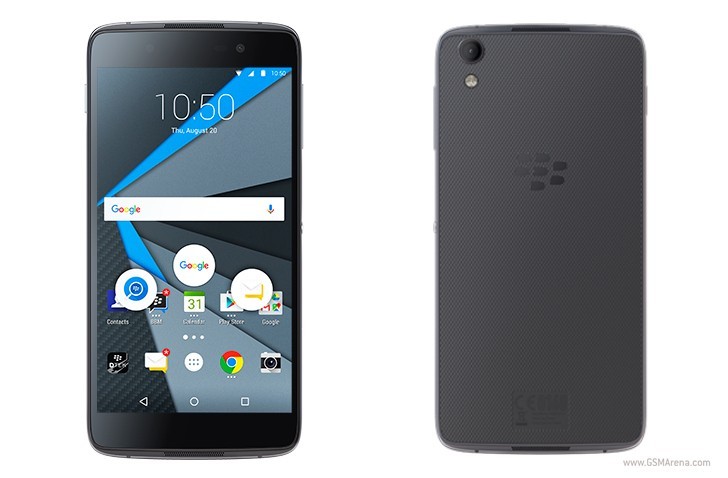
The BlackBerry DTEK50 sounds like an electronic component you buy in bulk. And it kind of is, it's meant for a business to buy for all its employees. But that's not what is interesting about BlackBerry's new $300/€340 Android phone.
Technically, this isn't even a BlackBerry phone, instead it's a rebranded Alcatel Idol 4 with minor changes (like downclocking the chipset and removing the second SIM slot). It does have all of BB's software perks, though.
      BlackBerry DTEK50
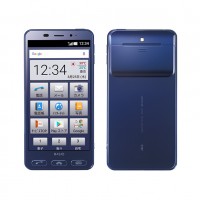
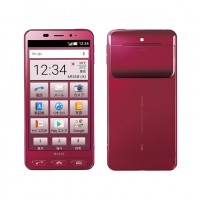
Here's another oddball. The Sharp Basio 2 has hardware keys for calls and messages. No, not capacitive, proper pressable buttons. We haven't seen those for years! And they have built-in LEDs to notify you of new calls and messages! Plus, the phone has a sliding cover over the camera. We remember when Sony Ericsson used to make those.
Put this one in the cabinet of curiosities, it will probably never launch worldwide. But come on, admit it, you kind of miss hardware call buttons.
Sharp Basio 2 SHV36   via:http://www.gsmarena.com/


Share:

Saturday, 30 July 2016

Apple's Lightning-to-3.5mm adapter for the iPhone 7 supposedly surfaces in Vietnam


Most rumors talking about the iPhone 7 have mentioned that this year Apple is ditching the 3.5 mm headset jack for good. So at this point, after hearing this information from dozens of different sources, we're pretty much convinced it will happen. But, you may wonder, what will Apple do to keep its fans' anger in check?
Well, apparently it all comes down to shipping a Lightning-to-3.5mm adapter in the box. When you buy one of the new iPhones, you also get the adapter. So if you have a pair of headphones that connect through that 3.5mm jack, you'll be able to continue using them.Such adapter cables have been seen before (at the end of May at Computex), but what you can see in the Vietnamese video below is purportedly the original thing - aka the Apple adapter itself.

Apple supplier Foxconn reportedly has a factory in Vietnam that makes cables and adapters, and as such it's already started working on the Lightning-to-3.5mm contraption for the next iPhones. Obviously the cable shown here could be fake, but it does look like something Apple would design. It is after all simple and white.
Interestingly, if you stick it into an iDevice running iOS 10 betas, it works without a worry. On the other hand, if you try to use it with an iPhone or iPad running iOS 9, you'll get an error message saying "This accessory is not supported by this device".
Thanks for the tip, Anh hiew!
Source (in Vietnamese)

Share:

Monday, 4 July 2016

CONVERT YOUR IPHONE 6S INTO IPHONE 7 BY WATCHING THIS


 Convert Your iPhone 6S Into iPhone 7 By Watching This : Every now and then, I come across a video on YouTube that makes me watch it over and over again. Sometimes the video can be just plain silly, and sometimes it can be extremely interesting, but other times I simply can’t make my mind up which it is.
Recently I came across a video in which an iPhone 6s is being ripped apart and turned into an iPhone 7. So, this is one of those occasions, which I don’t know how to classify, is it silly, or interesting?
iPhone 6s Looks like an iPhone 7
The video I am talking about was filmed at a location called Liberty Bridge in Budapest. And shows how a poor and unsuspecting iPhone 6s was taken apart component by component, with a whole menagerie of power tools. Apparently, this was done to make the iPhone 6s look as much like the iPhone 7 according to the latest rumors.
So, it ended up with an extra camera unit, which was ripped from another poor iPhone and also had its headphone port filled in with solder. According to the video creator.
This was done to give it an authentic look and keep it in-line with current dual camera rumors. However, I can’t help but feel it’s a little like Frankenstein somehow!
Sticking with the Rumors
It seems that with the urge to rip apart an iPhone, came the urge to keep it in-line with everything that has been said about the iPhone 7 so far. So, that’s the inclusion of dual speakers, new and redesigned Antenna bands, and even the recently reported Deep Blue replacement for Space Gray.
Creating Your Own iPhone 7
Personally, I’m far too busy to take a power tool to my iPhone, but that probably doesn’t mean that you can’t! Don’t miss-understand me, I’m not suggesting that you take an Angle grinder to your perfectly in working orderiPhone 6s.
I’m just saying that this video was an extremely entertaining one, and if you have the time, the technical ability and can afford to destroy an expensive top if the line smartphone, then why not?
Not Long to Wait
If mutilating innocent smartphones, is not your cup of tea, don’t feel anxious. You only have to wait until September for the actual real iPhone 7 to be launched. However, and yes you’ve guessed it.
Apple has of yet, not confirmed the release, however, as it was a no-show at this year’s WWDC event, some tech journalist would bet their houses on it turning up in September.

Share:

Friday, 1 July 2016

7 reasons led Apple's Global Leadership


When we talk about Apple, we are talking about the company continued for many years among the top owners in the world of electronics, not shaken for a moment during those years, despite all what happened around variables. Apple's real revolution began firing iPod, a device that is concepts and the way you listen to music by people forever. And from then, and Apple innovate and change the lives around them, from the iPhone to the iPad. Apple faced a lot of challenges, including entering the Android system and the great support by a lot of competitors. But the bulk of that Apple did not shake at all, and the company continues to achieve today terrifying figures on the level of sales and financial results.

Perhaps the most important question here is how Apple has been able to do so. Why, to this day, we find people eager to launch a new product from Apple, and if they see it at first glance. And like yesterday and I stand in front of a Jarir Bookstore branches and hundreds of people lining up to wait for the midnight launch of the iPhone 6 phone in Saudi Arabia. It is not uncommon at all in Saudi Arabia that people line up to buy a new device, but as the story seems to love people for Apple products universal and not confined area without the other.

In this article I try to shed light on eight important and pivotal for the survival of Apple's strong position causes over the years, and despite the strong competition and the many market variables.


1. The user experience first :


Of the strongest foundations of various Apple devices it puts the user experience in the first place since the first moments of the start of the machine design. The more important question is "What do you want to do?" Before "What we want to make?". The first iPad was one of the examples that show how after looking at Apple when the introduction of new products. Everyone was looking for a laptop to be touching the interface, but Apple deemed it best to provide a completely new idea, meets largest consumer Ahtajat. If it's the first iPad Kmpiotra maybe we've seen suffering in providing one hour of battery life. IPad is designed to give long hours of battery for a device of this kind, and thus enriches the user experience by allowing him to use for a long time without having to be present near the source of electricity, that was a milestone in the design of the iPad and its user experience.


2. Simplicity basis of everything :

Go and look at anything for Apple to fully realize their great love of simplicity in providing everything. Official their store very sleek and designed easy experience for all products and choose what it needs. Their official website is also simple and clear, as well as the way in which they encapsulates their products out, painted white and then prevailing that a silver beautiful logo and probably took a picture of the product with great precision and very careful. This philosophy is simplicity is also transmitted to the design of their products, for example, if we look at the MacBook Air, it is a silvery body put on it, which Apple logo shine Kalmraya. It may occur to the mind that this simplicity inspect the product or luxury elegance factor in the design, but the result obtained by Apple is quite the opposite. As well as it moves to the operating systems, where never see someone finds it difficult to use Apple computers, and if everything is clear and self-evident from the start.

3. Performance by the numbers :

Simple period before someone asked me, why my phone camera has more tnumber of mega pixels compared with your Iphone , but the iPhone takes pictures better? That question often repeated, and perhaps the supervisor of Technology knows at this time that the numbers do not mean everything in the end. Apple has always been long interested in the first place performance, and does not often talk about the numbers when it comes to its organs. IPhone in recent years, for example, is one of the best mobile imaging hand, despite the fact that his rivals and arrived more than 20 megapixel basic camera. Also not too long ago Apple was used only 1GB of RAM, number perhaps only uses medium and devices as without it. But that did not happen any mess in the technical center, and did not find a lot of complaining about this, because the short and Apple always triumph to respond to everyone, because the scale first and foremost is performance.

4. Clarity orientation : 

Apple has a clear policy regarding the organs, and the company is dealing with the market and the consumer simply and equilibrium. When we see other companies, we find many dilemmas in issuing organs, issuing Sometimes a lot of average hardware and the world, and they are using brand names randomly. While you find other companies do not have any clear policy on the main phone, Sometimes issued once a year, and sometimes issued every 6 months. On the other hand since 2007 when the first iPhone and Apple device afternoon issued a new phone in the iPhone series once a year, where the sequence between the new version and the full year, followed by an upgraded version of the same phone. This policy is fully applicable to the iPad also clearly the annual publications. This is a very important part of Apple's policy, and has clearly led to the building of a strong trust factor between the company and among consumers continued without destabilizing for many years


5. Marketing influential : 

All marketing can, all you need is a lot of money, but not all marketing effective, and not all been marketing results. There are many who believe that Steve Jobs is not anybody special when we talk about technology, but short, a genius in the world of marketing. Well, the second point can not denounce all, Vjobz and Apple in general have proven their abilities in the field of marketing superstar. For Apple's marketing is starts since the first moment to make a device, and everybody knows that Apple is the most press conferences follow-up at all. Apple certainly use the classic ways, like others, we find advertising their products on television and in the streets. But Apple is working hard to consolidate the presence of their products in every person's life, how much of a television drama series or a famous movie and found it used computers are the iMac and MacBook and phones are iPhone, so Apple invade our minds without feeling completely.


6. Solid infrastructure :

There are solid foundations to build upon, any important project and aspires for success. Apple has succeeded greatly in building the solid bases, and infrastructure is the most important for their products is very strong and helped it to continue for a long time and win the consumer researcher for the right tool to meet the needs confidence. For example, may take as an example the iPhone is important, and perhaps most importantly for the company, we find that one of the important rules and basic infrastructure are the shop applications. Apple worked very hard to make the App Store something credible to all parties involved, whether developers or consumers. From the developer side has got a safe place and just to publish his work, with a great opportunity to achieve profitable ones. While the consumer got a safe place and reliable to download various useful applications, and which are exposed to significant performance tests to ensure their quality. The same applies to iTunes, and featured in infrastructure for Apple that they are interrelated and are compatible between different organs.


7. Prestige brand :

Apple not only is the first brand in the world, but the value equal to twice the value of the second-placed and is Google. This really is the last harvest for all the points that we have mentioned, all of which contributed to building the reputation and prestige of the famous apple logo Almqdomh. You may find these days people randomly on the road and ask why use the iPhone as a phone, and will probably be the answer because it only iPhone, and no matter how trivial this in your opinion it shows the strength of the brand and the consumer in the absolute confidence of the company's products.


From iTunes and the App Store to iPhone and IMAC, Apple has succeeded in building a global empire and established itself at the top brands in all areas. Apple has not been achieved by chance, the company has pursued over the past years and a clear policy and girl full of confidence from which a strong bridges between them and consumers around the world. This was a special journey of Apple's outlook, and how could the company honored to continue for many years in the hearts of a lot of users around the world, and still further.


Share:

Wednesday, 29 June 2016

Windows 10 is on 350 million devices already, Anniversary Update officially drops on August 2

Yesterday Microsoft published, then pulled a blog post title saying the Windows 10 Anniversary Update would be released on August 2. Today the company has thankfully decided to publish it again, and this time has not pulled it immediately afterwards. What's more, the blog post even has content now.
And from that we find out that Windows 10 is already installed on some 350 million devices worldwide, which is very respectable for a desktop operating system. Microsoft is also boasting that customer satisfaction higher with Windows 10 than for any previous version.
The Windows 10 Anniversary Update was announced in March, and when it lands it will be free for everyone running Windows 10. It will bring with it support for Windows Hello biometric authentication in more apps and in the Edge browser, improvements to Windows Defender, an enhanced Cortana, and Windows Ink which will make handwriting using a stylus a primary mode of interaction with the OS. You also get improvements in the Edge browser, with better power efficiency, extension support, and a new accessibility architecture.
Source | Via
Share:

Nvidia Shield Android TV console gets big update with HDR Netflix, 60fps 4K video on YouTube

The big update for its Shield Android TV console that Nvidia announced last month is finally live. The Shield Experience upgrade 3.2 is now rolling out to what is probably the best Android TV device in existence at the moment.
This will bring with it support for HDR streams in Netflix (though the app itself then has to receive an update to support this), 60fps 4K videos in YouTube, 4K for Vudu, along with Dolby Atmos surround sound passthrough in Vudu, MX Player, SPMC, and the preinstalled Photos & Videos app.
You can also use your Shield TV as a Plex media server (not just a player), so if you're inclined to store your media on your console, you're now able to stream it to your other devices. Additionally, it's possible to add a NAS to the Shield, automatically turn your TV off when the Shield sleeps, and access the files and folders on the Shield from your computer. Full details for all of the new functions can be found at the Source link below.
Source | Via
Share:

SanDisk unveils 256GB microSD cards in Ultra and Extreme forms

SanDisk used to be the first to open up new microSD storage capacities, but clearing the 256GB barrier took them a while. Now the 256GB microSDXC UHS-I cards are reality and coming soon.
The SanDisk Ultra microSDXC UHS-I, Premium edition is the longest way I've heard yet of saying "the base model." To clear up the confusion, I'll call this one the SanDisk Ultra and the high-end model SanDisk Extreme.
So, the SanDisk Ultra 256GB microSD is coming out in August for $150 and offers transfer speeds of up to 95MB/s (this typically refers to read speeds, writes are slower).


The high-end SanDisk Extreme card will be available sometime in the final three months of the year for $200. This one is UHS-I Class 3 and gets 90MB/s write speeds, which is what you want when shooting in RAW or recording high-bandwidth 4K video.
Speaking of which, DJI exec Eli Harris chimed in:
“At DJI we focus on creating easy-to-use drone technology for consumers to capture everyday exploration and photography, and our customers need quick and reliable access to their high quality aerial footage. With the new 256GB SanDisk microSD UHS-I cards, they now have greater flexibility to capture their content on high-performance storage and the peace of mind knowing they can continue shooting when it matters most.”
Source | Via

Share:

Tuesday, 28 June 2016

Microsoft is pulling the plug on its Xbox Fitness service

Microsoft has announced that it is pulling the plug on Xbox Fitness, an Xbox One-exclusive service that features fitness and exercise videos from popular trainers. The service will be shut down on July 1, 2017.


"Given the service relies on providing you with new and exciting content regularly, Microsoft has given much consideration to the reality updating the service regularly in order to sustain it," the Redmond, Washington-based company said.
"Therefore, the decision has been made to scale back our support for Xbox Fitness over the next year, and we want to provide our users with a timeline of the changes you will see."
As for the timeline, Xbox Fitness content is no longer available for purchase. For the content that has already been purchase, you'll be able to play that for a year, through June 30, 2017. Meanwhile, the "Free with Gold" offer will be withdrawn starting December 15, 2016.
Source | Via
Share:

Analysts claim Sony will sell six million PlayStation VR headsets this year

Now that we officially know the $399 price tag of the PlayStation VR headset and a suggested initial availability date of October 13, the reality of console-driven VR is almost officially here, the only real question being, how successful will the product actually be?


After crunching all the numbers and throwing a few error-prone statistical methods at the data, the Taipei-based Topology Research Institute predicted Sony will sell a whopping six million VR units in 2016. This figure seems to be mostly based on the initial pre-sale event held in Japan in mid June, which enjoyed high interest.
If these sales forecasts hold true, the PlayStation VR will effectively constitute 67% of the global VR HMD (Head mounted device) market. Oculus Rift sales numbers for the same period are expected to be around the 2.3 million mark, while prospects are even gloomier for HTC's Vive, at only 700,000 units. On a grander scale, this all fits into a sector-wide growth of 53.5% this year with a total of 9 million VR units expected to end up in user hands. If current trends hold up, there should be 50 million units in the wild by 2020.

As far as we are concerned, six million sounds a bit too ambitious, but there are some pretty strong selling points for the PS VR. For many people, this will likely be the most approachable and economic stepping stone into the VR realm.
Not only is the $399 price tag more competitive than most rival offers, but unlike the Oculus Rift and HTC Vive, there is no need for a powerful PC rig to provide the VR experience, just the PlayStation 4, which is cheaper even if you don't own one already. However, it is worth noting that $399 only buys you the head unit and necessary cables and you will likely still want to pick up motion-tracking Move controllers and a PlayStation Camera, which provide hand and body tracking respectively.
Still, even with the add-ons, the total bill is still way lower ($499 launch bundle). Now, it is no secret that with a resolution of only 1080p, among other compromises, the PlayStation VR is an entrance-level headset, compared to the aforementioned competition.
However as consoles have proven time and time again, they are capable of providing a more affordable and user-friendly experience. Plus there is the matter of game developer support, with a promise of 50 titles at launch and it will be even more interesting to see where Microsoft takes the whole console VR scene, once Project Scorpio becomes a reality next year.
Via

Share:

Monday, 27 June 2016

Play Store and Android apps headed to Chrome, Google announces

It's not like we didn't already know it, but Google has now officially confirmed that Android apps will be available on Chrome through the Play Store. The confirmation came in the form of a session description on the website of the company's I/O 2016 conference.


The description has apparently been pulled, but not before it was captured by tech media. Here it is:
Today we announced that we’re adding the best mobile app experiences in the world, Android apps and the Google Play store, to the best browser in the world, Chrome! Come to this session and test your Android apps for Chrome OS. You will get hands on help from our friendly engineers on how to optimize your Android app for Chromebooks.
The description also said that the first 50 developers who show up for the session will get a free Chromebook "so they can get a head start bringing their apps to Chrome!."
Via


Share:

Editorial: Headphone jack vs. USB audio. Which is better?

Ever since the first rumors that popped up late last year that Apple will be dropping the headphone jack from its next iPhone, the tech world has gone into a tizzy. Since then other manufacturers have added fuel to the fire, launching models without headphone jacks to preemptively attack the next iPhone and do the tech equivalent of the "First!!!" comment on YouTube.
By now you must have read a dozen thought pieces on how dropping the beloved analog headphone jack is a bad idea, and at the same time others have been writing about how the Lightning port (or USB Type-C on other devices) is the future for all our audio needs.
But before we throw our hat in either of those rings, it's important to assess both of them and see what advantages and disadvantages they offer. Not that it's going to change the course of what companies are planning to do and it certainly won't stop Apple from dropping the headphone jack from the next iPhone, if it so wishes, but as a consumer you should hopefully be more educated and when the time comes would vote with your dollar.
Before we start with the pros and cons of either analog or digital audio output, we should learn a bit about how audio is processed on your phones. Like your computer, the modern smartphone has something called the audio codec IC, which is responsible for processing all the sounds on your smartphone. It includes a digital to analog converter (DAC), analog to digital converter (ADC) and an amplifier, among other things. Every audio that goes in or comes out of your phone passes through this little chip, which is separate from the main SoC and takes up a tiny footprint on your phone's motherboard (about a couple millimeters in either direction).
The DAC processes the sound that exits the phone, including music and phone calls. The amp amplifies the analog signal so it's audible through the loudspeaker, earpiece, or your headphones. The ADC processes the analog signal received by the mics on the phone. There is a ton of signal processing going on - things such as applying audio effects on your music to noise suppression during phone calls from signal received from multiple microphones, it all happen inside this one little chip.

The majority of the phones on the market come with a single audio codec IC. Think of it as the onboard sound card on your computer. These are good enough quality for most users and they keep getting better every year. A lot of the phone manufacturers use Qualcomm audio codec, since it's more economical if the phone also uses a Qualcomm SoC but some also use Cirrus Logic (notably Apple), or Wolfson. These three are the most common suppliers of audio codecs on your phones, with Qualcomm being the preferred choice these days.
However, some companies go above and beyond with a higher quality component. Think of this as an aftermarket sound card. This audio card resides alongside the standard part (so now there are two) and usually only handles music playback duties, with calls and other boring stuff still being handled by the standard chip. These chips usually boast a higher sample rate conversions and also include a more powerful amplifier that are better suited for higher bit-rate audio and high impedance headphones. Some companies go even further and include a separate amplifier for even more powerful output. The LG V10, the Lenovo Vibe X3, the ZTE Axon, and some of the HTC BoomSound phones are known to have an additional DAC/amp unit inside.
So this is how audio has been traditionally sent to your ears. The SoC will send the digital data to the audio codec, which would process it and convert it to an analog signal, which would then go to the amplifier, which would then send it through the headphone jack (or the speaker). Your headphones would then just have to intercept the amplified audio signal and use that to drive the voice coil, which then moves the drivers, which produces the sound.
But USB audio is different. In this case, the SoC sends the digital data straight out through the USB port (Lightning, microUSB, Type-C, what have you) and there is zero processing done on the device side. Of course, since neither your headphones (nor you) can process the digital signal, it has to be converted to analog at some point. This is why every device connected to the USB port for audio purposes has to have its own DAC/ADC built-in. It processes the digital signal, which otherwise would have to be done on the phone and then sends it to the amp, which also has to reside on the USB device, so it can power the speakers. These parts take power from phone port itself.
If you take the example of a USB Type-C headphone pair, such as the ones LeEco now sells with its new phones, the DAC/ADC and the amp are actually placed somewhere within the cable, usually near the USB port itself. On some headphones, it could be placed within the microphone module, or sometimes within the driver units. This is not a new practice and this is how Bluetooth headphones have always operated, as they too receive pure digital signal from the device and then have to process it. They even have the burden of dealing with the wireless signal and have extra circuitry for that.
So now we have the basics out of the way, let's look at each of our contenders.

Headphone jack

The standard 3.5mm TRS (or tip, ring, sleeve) jack has been around for decades now. The best thing about it is that it just works. You plug it in and that's it. You never have to worry about whether or not it is compatible because in most cases it is. Higher end audio equipment does use the larger 6.2mm jack but on phones and other portable devices it has always been 3.5mm. You also don't have to worry about whether it's right side up or not and can plug it in the dark in your sleep. There are few things as ubiquitous and user friendly as the standard TRS jack out there.
So then why are companies so eager to get rid of it? Well, at least when it comes to Apple, the company is known to phase out older standards in favor of new ones. Whether it was floppy disks back in the day or CD drives a few years ago, the company is known to be ahead of the curve when it comes to recognizing outgoing trends and fully embracing the future, with others following suit. Apple probably sees the headphone jack the same way. It is just another way of outputting sound now, seeing as how Lightning can do that too. And Apple could certainly use the extra space created inside by removing the jack for other things. I mean, this is the company that changed SIM card sizes two years in a row just to make them smaller and smaller.
Why other companies are doing it is anybody's guess. They could have the same reasons as Apple or, as I mentioned before, this could be an attempt to preemptively one-up Apple (I can guarantee you will see tweets from all these brands claiming how they were the first to bring you USB audio and how Apple is copying them when the iPhone 7 releases later this year). It's not like there is no precedent for that (See: Huawei rushing to put pressure sensitive display on its Mate S when Apple's pressure sensitive display rumors came out).
Either way, I don't see a lot of reasons for companies to drop the headphone jack right now. I see people from the Apple camp trying to use the floppy disk example to justify this move on Apple's part. However, with floppy disks (and CDs, for that matter) there was already a better solution on the horizon that people had started to move to and dropping the existing standard was the only way to get them to move faster. USB audio, as we will see, isn't necessarily better.

USB audio

I find it amusing that we see digital audio output from our phones as the future. If you look back a decade or so, the phones then all had digital connectors and the standard headphone jack was nowhere to be seen. Remember the Nokia Pop-Port? Or the Sony Ericsson FastPort? Good times.
But that didn't work now, did it? A few years later, we all ended up coming back to the gold standard that was the TRS jack. Even Apple when it launched the iPhone chose to go with a standard (albeit unnecessarily recessed) 3.5mm jack, even though it would have made way more sense back then to just send audio through the 30-pin connector as some companies were still doing it.
So then why now? I think there is a lot of buzz these days around the whole high resolution audio thing. Manufacturers claiming they can use the pure digital output of their phones' USB ports to send you uncompressed high quality sound. But this is nonsense.
As I mentioned before, your ears are not compatible with digital audio. Whether it's 16-bit or 32-bit, MP3 or FLAC, your ears just don't give a damn. We can only listen to the analog audio after it has been properly amplified. And whether the processing is done on the phone or within your headphones is moot.
You could have high quality 24-bit track on your phone. It could get processed first within the phone and then sent over an analog connector to your headphones. Or it could get sent directly as a digital signal to your headphones and then converted to analog and to your ears. At which point during the chain the conversion happens is irrelevant. So saying USB audio is better because it sends pure digital audio is marketing nonsense as at some point it does get converted to analog and the end result is the same.
Also, having the audio processed on your phone in most cases would be preferable. The audio codec used on your phone could be of significantly better quality than the one on your headphones. Even relatively cheaper phones could have a pretty decent Qualcomm codec whereas a cheap pair of USB headphones is likely to skimp out on the quality of the onboard DAC and amp, thereby directly affecting the sound that you hear.
We are also adding to the cost of the headphones themselves. Phones aren't going to be cheaper because they now have one jack less but the headphones surely will be more expensive regardless of how they sound simply because of the added engineering the cost of materials that will go into making them. Why do you think Bluetooth headphones are still so expensive compared to their cheaper and better sounding wired counterparts?
If you don't want to purchase USB headphones, you will have the option to use an adapter. So now this $5 accessory is entirely responsible for the kind of sound you hear, as it will be in charge of processing it. You can imagine how well that will go.
Here's where it gets annoying though. What if you want to charge the phone while listening to music? Also, imagine in future you have an Android phone, an iPad and a laptop. You will now need three different headphones, or at least two different adapters. Good luck with that.
It's easy to dismiss some of these as teething issues and something that will get better with time. But as I mentioned before, it didn't get better with time the last time we had digital audio connectors and we had to fall back on the good ol' TRS jack. That is unlikely to happen now, though, which means several years of unnecessary suffering with multiple adapters, cables and what not. And in the end if this was all going to be worth it, it would still be fine. But we have seen that it's not and nobody has really offered a compelling reason to switch to USB audio yet.
The funny part is, we have had USB audio for a long time now. The iOS devices already output audio through Lightning connector. Android phones running Lollipop and above can output USB audio. Even older Android phones with a custom configuration could output audio through microUSB. We have had a so-called superior audio interface at our disposal for a few years now, and yet no one switched to it. We hardly have any earphones or headphones that connect directly to them. We don't because no one cares. Not even audiophiles as the advantages are just not worth it, because there are barely any.
And yet we will soon be forced to switch to the digital interface completely. As an audio and technology enthusiast, I look forward to playing with them. But as a consumer I find it baffling that companies are willing to take the choice away from you of using your existing headphones just to save some space inside so your next phone could be even more unnecessarily thin, or worse, just to one-up each other.

Wireless audio

Among all this kerfuffle we might finally see the rise of wireless headphones as the preferred choice among customers. Like I said before, there is no stopping the 'no-headphone-jack' train at this point. But you can always choose to use wireless headphones over USB audio.
The advantages this offer are actually tremendous. For one: no wire. It's just one of those things that you need to experience for some time to truly appreciate it. You think you can live with cables but once you use a pair of good quality Bluetooth headphones, the complete lack of cables is incredibly liberating and you never want to go back to cables.
They also work with pretty much everything now. Your phone or tablet, regardless of brand, your laptop, maybe even your MP3 player already supports Bluetooth. It's actually far more universal than you think, second only to the standard TRS jack.
As for the audio quality, I know it has been the reason most people avoid Bluetooth headphones, yet every pair that I have heard in the past few years sounded absolutely great and they seem to still be getting better. With lossless codecs like aptX and LDAC you don't even have to worry about data loss anymore. And did I mention they are wireless?
All in all, to me this seems like the way to go in future, and I have a feeling companies will be pushing for this too (I bet there is going to be a major push for Beats wireless headphones from Apple following iPhone 7 launch). No, it probably won't sound as good as your audiophile set of wired headphones, but I'd rather live with good sound instead of great sound and not deal with the hassle of multiple cables and adapters. And I swear I mentioned they are wireless. I cannot stress the importance of that enough. I mean, it's 2016. We have wireless chargers now but we are still arguing which cable is better for transferring audio instead of using the free air around us.
That's pretty much it from my side. If you have comments or questions, leave them in the section below.
via : http://www.gsmarena.com/headphone_jack_vs_usb_audio_which_is_better_-blog-19060.php
Share:

Followers